That little brown iron kiss can ruin your mood fast. One distracted minute, one too-hot setting, and suddenly you are googling how to remove iron scorch marks from fabric while staring at your favorite shirt, tablecloth, or curtain like it personally betrayed you.
The good news is that a scorch mark is not always a death sentence for fabric. The less-good news is that success depends on how badly the fibers were damaged. If the mark is light yellow or tan, you may be able to fade or lift it quite a bit. If the fabric is shiny, brittle, dark brown, or actually singed, you are dealing with fiber damage, not just a surface stain. At that point, improvement is possible, but a perfect save may not be.
First, figure out whether it is a stain or real burn damage
This part matters more than people think. An iron can leave behind a light scorch that looks like discoloration, or it can damage the fibers so deeply that the fabric has changed for good.
If the fabric still feels soft and normal, you have a decent shot. If it feels rough, thin, stiff, or shiny, the heat may have melted or weakened the fibers. Synthetic fabrics like polyester, rayon blends, and acrylic are especially touchy. Cotton and linen tend to be more forgiving. Wool can recover somewhat, but it needs a gentler hand.
Before trying anything, check the care label. If the item says dry clean only, proceed carefully or let a cleaner take over. And whatever method you use, test a hidden spot first. That is boring advice, yes, but it beats creating a bigger problem in broad daylight.
How to remove iron scorch marks from fabric safely
The best approach is to start mild and move up only if needed. Going straight to heavy-duty stain tactics can bleach color, rough up fibers, or set the damage further.
Start with a fresh rinse and gentle laundry detergent
If the scorch is recent, run cool or lukewarm water through the back of the mark. That helps push out discoloration instead of driving it deeper into the cloth. Then work in a small amount of liquid laundry detergent with your fingers or a soft cloth.
Let it sit for about 10 minutes, then wash the item according to its care label. Use oxygen-based laundry booster if the fabric allows it and the color is stable. Skip chlorine bleach unless the fabric is plain white cotton and the care label clearly allows it. Even then, use restraint. Bleach can turn one problem into three.
Sometimes that simple wash is enough for a faint yellow mark. If it is still there, move on.
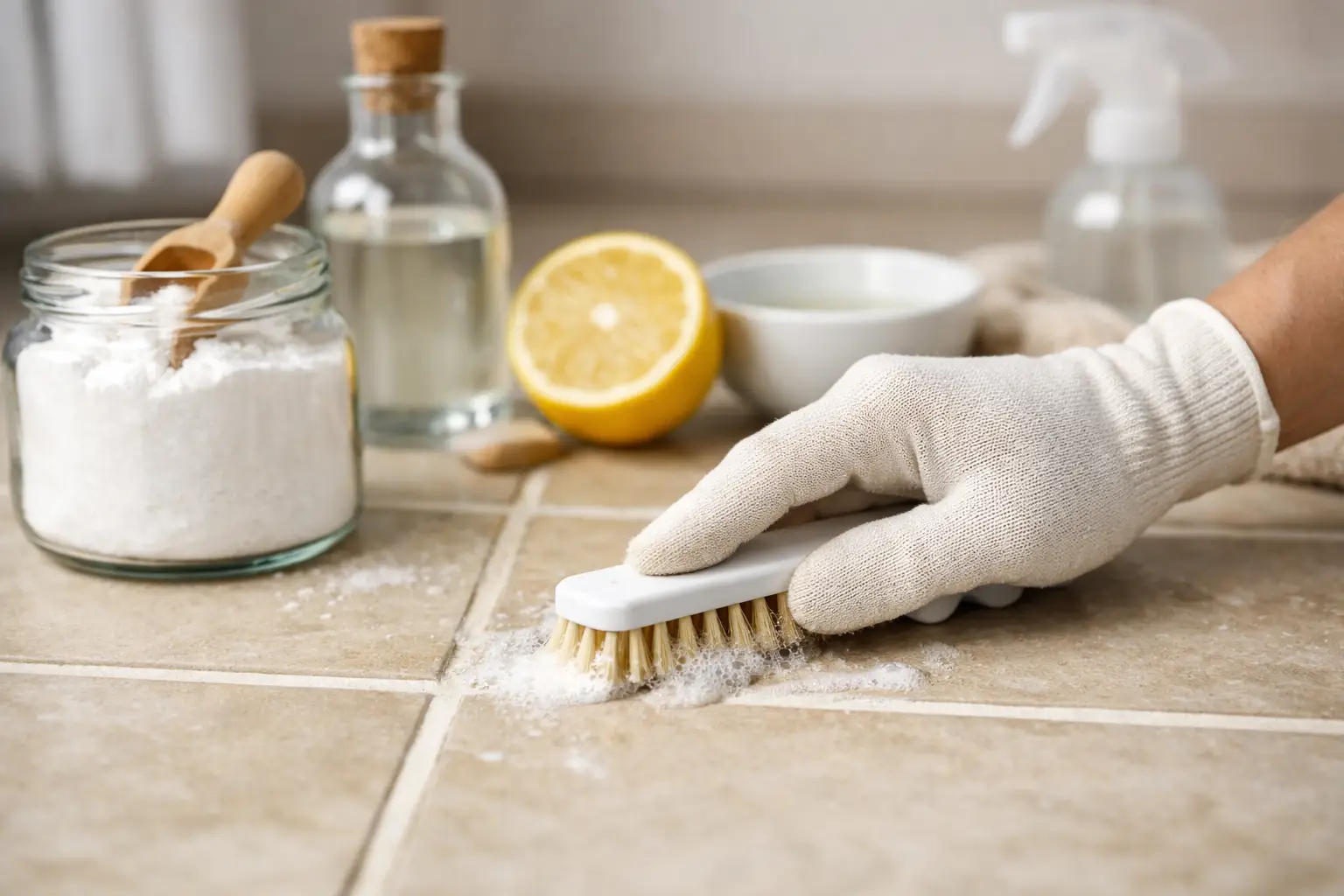
Try white vinegar for light scorch marks
White vinegar is one of those humble pantry fixes that earns its keep. Dampen a clean white cloth with white vinegar and dab the scorch mark gently. Do not scrub like you are trying to erase a bad memory from a chalkboard. Gentle pressure is better.
After dabbing, blot with a second cloth dampened with plain water. Then let the fabric air dry and check the spot. Vinegar can help loosen discoloration and freshen fibers, especially on cotton and linen.
If the item is delicate, use a diluted mix of vinegar and water first. Silk and some blends do not appreciate experiments.
Use hydrogen peroxide on white or very light fabric
For white fabric, hydrogen peroxide can be surprisingly helpful. Dampen the scorched area with peroxide, then lay a clean white cloth over it. Press with a warm iron for a few seconds at a time, checking often.
This sounds a little ironic, using an iron to fix iron damage, but the idea is to lift the stain with controlled heat and a mild bleaching agent. Keep the iron warm, not blazing hot. You are coaxing, not punishing.
This method is best for white cotton or sturdy light-colored fabrics. On darker colors, peroxide can lighten the dye, so test first or skip it.
Lemon juice can help, but sunlight is a wildcard
Lemon juice is often suggested for scorch marks because it has a mild bleaching effect. Apply a little lemon juice, let it sit briefly, then rinse and wash.
Some people place the item in the sun afterward. That can help on white cotton. It can also fade colors unevenly or make old fabrics look tired. If you try this, keep it short and watch it closely. The sun is helpful right up until it is not.
Fabric-by-fabric tips that can save you grief
Not every cloth responds the same way, and this is where many rescue attempts go sideways.
Cotton and linen are usually the easiest to treat. They can handle detergent, vinegar, oxygen-based boosters, and careful rewashing. These fabrics are sturdy, which gives you some room to work.
Wool needs a softer approach. Sponge the area with white vinegar or a diluted peroxide solution only if the care label allows it, then blot. If the scorch flattened the nap, brushing lightly with a soft garment brush may help restore texture once the fabric dries.
Synthetic fabrics are the troublemakers here. Polyester and similar materials can melt or become shiny under heat, and once that happens, you are not really removing a stain. You are dealing with altered plastic-like fibers. A gentle wash may reduce discoloration, but a glossy or stiff patch usually will not vanish.
Silk is best left to professionals unless the mark is extremely faint and the item is not precious. Silk can water-spot, lose color, or get rough very easily.
When the scorch mark will not come out
Sometimes the answer is not “remove.” Sometimes it is “make it less obvious” or “change the plan.” That is not defeat. That is smart household triage.
If the mark is on a hidden area, you may decide it is good enough after treatment. If it is on something visible, think about whether the fabric can be repurposed or disguised. A scarf might be folded differently. A tablecloth can be styled with a centerpiece. A child’s shirt can become a paint smock. Not every save has to look like a magic trick.
For shiny marks on dark fabric, a fabric brush or a light steaming can sometimes soften the look, especially on wool blends. It will not reverse melted fibers, but it may reduce the obvious “oops” factor.
What not to do when you remove iron scorch marks from fabric
A little restraint goes a long way here. Rubbing hard is one of the biggest mistakes. It can fray the fabric and spread the damaged area.
Using high heat again is another classic misstep. More heat does not undo heat damage. It usually deepens it.
Heavy bleach is tempting, especially on white items, but overdoing it can weaken fibers and leave yellowing that looks suspiciously like the problem you started with. And if the fabric is colored, bleach can create a pale patch that screams louder than the scorch mark ever did.
Also, do not toss the item into a hot dryer until you are sure the mark has improved as much as it is going to. Dryer heat can set discoloration further.
How to avoid scorch marks next time
No lecture here. Most iron accidents happen because life is noisy and people get distracted. Still, a few simple habits help.
Use the fabric setting that matches the garment instead of guessing. Iron items inside out when possible, especially dark clothing and anything synthetic. A pressing cloth, even a clean cotton dish towel, creates a buffer that can prevent shine and scorching. And if you are ironing a mixed-load mountain from the laundry basket, start with low-temperature fabrics and work upward.
It also helps to empty the iron plate of mystery residue now and then. Burned-on gunk can transfer to fabric and look a lot like scorching. Cleaning the soleplate is not glamorous, but neither is ruining a shirt five minutes before you need to leave.
One more thing: if you hate ironing, that is allowed. A handheld steamer, wrinkle-release spray, or hanging clothes in a steamy bathroom can get you out of trouble without putting direct heat on the fabric.
A scorch mark feels dramatic in the moment, but plenty of them can be softened, faded, or worked around with a calm approach and the right fix. Start gently, match the method to the fabric, and remember that sometimes “much better” is a perfectly good win.