


Tomato plants have a talent for looking dramatic. One hot afternoon and they can flop over like they’ve given up on life, only to perk back up by evening like nothing happened. That’s why so many gardeners get tripped up on how often to water tomatoes. The short answer is this: most tomato plants do best with deep watering about 1 to 2 inches per week, but the real answer depends on heat, soil, plant size, and whether they’re growing in the ground, raised beds, or containers.
If that sounds a little annoyingly vague, welcome to gardening. Tomatoes are easy to grow, but they are not fans of random watering. Too little water can lead to blossom end rot, cracked fruit, and stressed plants. Too much water can leave roots soggy, split tomatoes, and wash away flavor. The sweet spot is steady, deep moisture.
How often to water tomatoes depends on where they grow
Tomatoes in the ground usually need less frequent watering than tomatoes in pots. Garden soil holds moisture longer, especially if you’ve mixed in compost or covered the surface with mulch. In many backyard gardens, a deep soak two or three times a week is enough during warm weather.
Raised beds dry out faster than in-ground beds because they have better drainage and more air flow around the soil. That means raised-bed tomatoes often need water every day or every other day during hot stretches.
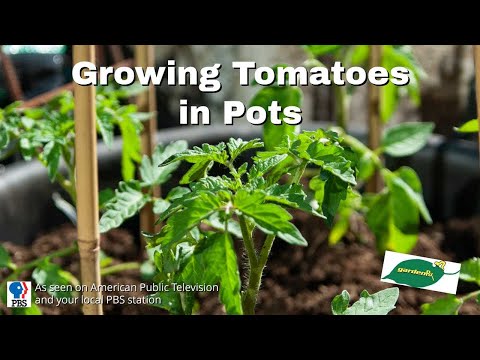
Container tomatoes are the thirstiest bunch. Pots heat up quickly, and the soil volume is limited, so water disappears fast. In midsummer, especially in small pots or fabric grow bags, tomatoes may need water once a day and sometimes twice a day during extreme heat.
That’s why there isn’t one magic schedule that works for every plant in every yard. A tomato in a five-gallon container on a sunny patio is living a very different life than one planted in a mulched garden bed.
A simple rule for how often to water tomatoes
Instead of watering on autopilot, check the soil. Stick your finger about 1 to 2 inches down. If the soil feels dry at that depth, it’s time to water. If it still feels damp, wait.
This works better than watering by the calendar because weather changes everything. A week of 85-degree sunshine and wind can dry soil fast. A few cloudy days or one good rain can buy you time.
When you do water, water deeply. A quick sprinkle only wets the surface, and that encourages shallow roots. Tomatoes do better when water reaches deeper into the soil, where roots can follow it down. Deeper roots usually mean tougher plants that handle heat better.
For most home gardeners, this is the rhythm that makes sense:
- In-ground tomatoes: about 2 to 3 deep waterings per week
- Raised bed tomatoes: every 1 to 2 days in warm weather
- Container tomatoes: daily in summer, sometimes twice daily in extreme heat
Those are starting points, not laws of nature.
What deep watering actually means
Deep watering means giving the soil enough moisture so it sinks several inches down instead of just dampening the top crust. For in-ground tomatoes, that often means watering slowly at the base of the plant for a longer stretch rather than blasting it for 30 seconds and calling it done.
If you use a hose, a watering wand, or drip irrigation, the goal is the same: soak the root zone. Leaves do not need a shower, and wet foliage can encourage disease, especially if the plants stay damp overnight.
Morning is the best time to water. It gives the plant a chance to stock up before the day heats up, and it lets any stray moisture on the leaves dry out. Watering in the evening can work if that’s your only option, but morning is usually cleaner and safer.
Signs your tomatoes need more water
Tomatoes are not subtle forever, but it helps to catch the clues early. Dry soil is the first sign. After that, the plant may start wilting during the day and stay wilted into the evening.
You might also notice slow growth, curled leaves, or flowers dropping off before fruit sets. Fruit can develop blossom end rot, which shows up as a dark, leathery patch on the bottom. That problem is tied to calcium uptake, but uneven watering is often the real troublemaker.
Small fruit and tough skins can also point to underwatering, especially during long dry periods.
Signs you’re watering too much
Overwatering can look a lot like underwatering at first, which is one of gardening’s more annoying little jokes. A tomato plant with soggy roots may wilt because the roots can’t breathe properly.
If the soil stays wet day after day, leaves may turn yellow, lower leaves may drop, and growth can stall. Fruit may crack or split, especially after a dry spell followed by heavy watering. You may also notice a general washed-out look instead of strong green growth.
If your soil smells swampy or stays muddy, back off. Tomatoes like consistent moisture, not a permanent puddle.

Hot weather changes the schedule fast
Once summer gets serious, your tomatoes will drink more. Big plants loaded with fruit need more water than young transplants. Wind also dries plants out faster than many people expect, and reflected heat from fences, patios, and walls can make one part of the yard much thirstier than another.
During heat waves, it’s normal to water more often. Just try not to bounce between bone-dry soil and a flood. That roller-coaster pattern is hard on the plant and often leads to split fruit and uneven ripening.
Mulch helps a lot here. A layer of straw, shredded leaves, or untreated grass clippings around the base of the plant slows evaporation and keeps soil temperatures more even. It’s one of the simplest ways to make watering easier and less frequent.
The best watering methods for tomatoes
The best method is the one that gets water to the roots without soaking the leaves. Drip irrigation is great because it’s slow, steady, and efficient. Soaker hoses work well too, especially for rows or raised beds.
Hand watering is perfectly fine if you’re consistent. Aim at the base of the plant and water long enough for the soil to absorb it. If water starts running off right away, slow down and give the soil time to drink.
Overhead sprinklers are the least ideal option for tomatoes. They wet the leaves, can spread disease, and often waste water on paths and surrounding areas. If that’s all you have, use them early in the day and keep an eye on leaf health.
Young tomatoes vs. mature plants
Newly planted tomatoes need more frequent watering at first because their roots are still settling in. For the first week or two after transplanting, you may need to water every day or every other day, depending on the weather and soil.
Once the plant is established, you can space out watering and go deeper. That shift matters. Babying a mature tomato with tiny daily sips keeps roots near the surface, where they dry out fast.
As plants get larger and start setting fruit, they often need more total water, but still in that deep, steady pattern. Think less often, more thoroughly.
The soil makes a big difference
Sandy soil drains quickly and usually needs more frequent watering. Clay soil holds water longer but can become compacted and soggy if you overdo it. Loamy soil with compost is the happy middle ground and makes tomato care much easier.
If you’re always struggling to keep up with watering, the fix might not be the hose. It might be the soil. Adding organic matter improves moisture retention in sandy soil and improves drainage in heavy clay. That’s a rare garden win-win.
A quick word on tomato flavor
People sometimes hear that stressing tomatoes with less water makes them taste better. There’s a sliver of truth there, but it’s easy to overdo. Mildly reducing water as fruit ripens can concentrate flavor a bit, but letting plants get seriously stressed is more likely to hurt production and quality than create magical grocery-store-beating tomatoes.
For most home gardeners, consistency wins. Healthy plants with even moisture usually give you the best mix of flavor, texture, and yield.
When rain counts and when it doesn’t
A light shower that barely darkens the soil does not count for much. A slow, soaking rain absolutely does. If you get rain, check the soil before adding more water. Tomatoes don’t care what the weather app promised. They care what their roots are sitting in.
A cheap rain gauge can help if you want to be more exact, but your finger in the soil still tells a pretty honest story.
If you’ve been wondering how often to water tomatoes, the best answer is not daily, weekly, or on some rigid chart stuck to the fridge. It’s whenever the soil starts to dry a couple inches down, followed by a deep drink that reaches the roots. Pay attention for a few minutes each day, and your tomatoes will tell you the rest. They’re needy, sure, but at least they come with sandwiches later.