


A sad little basil plant on an apartment balcony has convinced plenty of people that they just “aren’t good at gardening.” Usually, that is not true. Usually, the pot was too small, the soil was tired, the water schedule was all over the place, or the plant got cooked against a hot wall in July. This beginner guide to container gardening is here to make sure your next round goes a whole lot better.
Container gardening is one of the easiest ways to grow something useful and pretty without digging up the yard. It works for renters, busy households, people with tiny patios, and anyone who wants fresh herbs within arm’s reach of the kitchen door. It also gives you more control than in-ground gardening, which is great for beginners. The catch is that pots dry out faster, roots have less room, and mistakes show up quicker. Once you know that, you can plan around it.
Why container gardening is beginner-friendly
If you are new to growing things, containers give you a smaller stage to work with. You can start with one pot of basil, one tomato plant, or a cheerful mix of marigolds and lettuce and learn fast without committing a whole backyard to the experiment.
Pots also let you move plants around. If your peppers are sulking in the shade, you can shift them into more sun. If a heat wave rolls through, you can pull delicate plants back from blazing pavement. That flexibility is a big deal, especially when you are still figuring out your space.
There is a money angle too. A few containers, a bag of potting mix, and some starter plants can be much cheaper than building raised beds right away. You can always scale up later once you know what you actually enjoy growing.
A beginner guide to container gardening starts with the right spot
Before you buy a single pot, watch your space for a day or two. Morning sun, afternoon shade, reflected heat from brick, windy corners, and overhangs all matter. Most vegetables and many flowering plants want at least six hours of sun. Herbs like basil, thyme, oregano, and rosemary also like a bright spot. Leafy greens can often get by with less.
If your balcony or porch only gets three or four hours of direct light, do not force tomatoes to live there and then blame yourself. Grow mint, parsley, lettuce, spinach, coleus, or impatiens instead. Good gardening is often less about effort and more about matching the plant to the place.
Wind is another sneaky issue. Tall plants in lightweight pots can topple over, and windy areas dry containers fast. If your spot gets gusty, heavier pots or lower-growing plants will save you some grief.
Picking containers that help instead of hurt
The cutest pot is not always the best pot. Containers need drainage holes. That is non-negotiable. If water cannot escape, roots can rot, and even tough plants will start acting miserable.
Size matters more than many beginners expect. Small pots dry out quickly and limit root growth. That is fine for a compact succulent, not so fine for a tomato plant that wants to become a small jungle. As a rule, go bigger than you think you need. Larger containers hold moisture longer and give roots more room, which makes your life easier.
Material affects care too. Terra cotta looks classic and lets soil breathe, but it dries out faster. Plastic holds moisture better and is lightweight, though cheap ones can crack in strong sun over time. Fabric grow bags are handy for vegetables and have solid drainage, but they can dry quickly in peak summer. There is no perfect choice for everyone. If you tend to forget watering, plastic may be your friend. If you tend to overwater, terra cotta might keep you honest.
Soil is not dirt, and that matters
One of the biggest beginner mistakes is scooping garden soil into pots. It sounds thrifty, but it usually compacts too much, drains poorly, and can bring pests or disease along for the ride. Use a potting mix made for containers.
Potting mix is lighter and designed to hold moisture while still allowing air around roots. Some mixes include fertilizer, which can help in the first few weeks. Others are plain and need feeding sooner. Read the bag, because that tiny detail affects what comes next.
If you want to stretch your budget, you can fill very large decorative containers partway with lightweight filler in the bottom, but keep plenty of real potting mix where the roots will grow. The goal is healthy roots, not a cheap shortcut that turns your planter into a swamp.
What to grow first
The easiest plants are the ones you will actually use and enjoy. For many beginners, herbs are the gateway win. Basil, parsley, chives, thyme, mint, and rosemary are satisfying, useful, and small-space friendly. Mint deserves its own warning label – plant it alone unless you want it taking over the whole pot like it pays rent.
Leaf lettuce, spinach, radishes, and green onions are also beginner-friendly, especially in spring and fall. If you want summer vegetables, cherry tomatoes, patio peppers, and bush beans are solid picks. Look for words like “compact,” “patio,” “dwarf,” or “container-friendly” on plant tags or seed packets.
Flowers can be just as rewarding. Marigolds, petunias, calibrachoa, geraniums, and zinnias do well in containers and make a porch look instantly more alive. Mixing edible and ornamental plants can be fun too, as long as the light and water needs are similar.
Watering is where most container gardens live or die
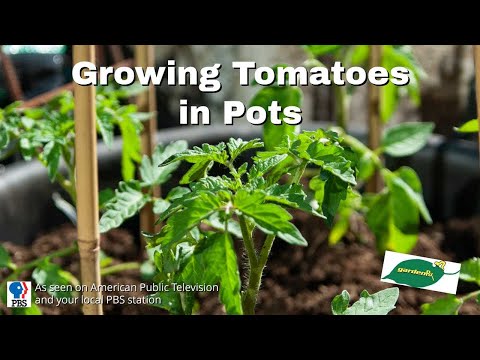
Here is the plain truth from any honest beginner guide to container gardening: watering is the whole game. Containers dry out much faster than garden beds, especially in hot, sunny weather. A pot that looks fine in the morning can be droopy by dinner.
The trick is not watering on a rigid schedule no matter what. It is checking the soil. Stick your finger about an inch down. If it feels dry, water deeply until it runs out the drainage holes. If it still feels damp, wait. That method beats guessing.
Summer may mean watering every day for some pots, especially smaller ones or thirsty plants like tomatoes. In cooler weather, it may be every few days. Hanging baskets often need the most attention because they dry fast from all sides.
Try to water the soil rather than blasting the leaves. Morning is usually best because plants can take up moisture before the day heats up. If you only remember at 6 p.m., that is still better than letting everything faint dramatically on the porch.
Feeding plants without overdoing it
Potted plants use up nutrients faster than plants in the ground because they are living in a limited amount of soil. After the first stretch of growth, many containers need regular fertilizer to keep going.
A balanced liquid fertilizer every couple of weeks works for many gardeners because it is simple. Slow-release granules are another easy option and cut down on the forgetfulness factor. Just do not assume more fertilizer means more tomatoes. Too much can burn roots or give you lots of leaves and very little fruit.
If the package directions feel weirdly intense, start light. It is easier to add a little more later than to fix overfed plants.
A few mistakes that are completely normal
Beginners often crowd too many plants into one pot because the nursery starts look small and harmless. By July, they are wrestling for space like siblings in the back seat. Give plants room to mature.
Another common slip is mixing plants with opposite needs. Rosemary likes things on the drier side, while basil wants steadier moisture. They might look cute together for a week, but one of them will end up annoyed.
Then there is the temptation to plant giant varieties in tiny containers. A full-size slicing tomato in a small decorative pot is basically asking for stress. Match the pot size to the plant’s adult size, not its baby version at the garden center.
Keeping your container garden looking good
A little maintenance goes a long way. Pinch herbs regularly to keep them bushy. Deadhead spent flowers if the plant benefits from it. Harvest lettuce and herbs often instead of letting them get overgrown and tired.
Keep an eye out for yellow leaves, sticky residue, holes, or a plant that suddenly looks off. Problems are easier to fix early. Sometimes the solution is as simple as more sun, less water, or moving a pot away from reflected heat.
And give yourself permission to replace what flops. A crispy cilantro plant in August is not a moral failure. Some plants are seasonal, and some are just not happy in the spot you gave them.
Start small so you can actually enjoy it
The sweet spot for most beginners is three to five containers, not twenty-two. That is enough to learn what your space does, how quickly pots dry, and which plants make you feel like a genius. Once that feels easy, add more.
Container gardening works best when it fits your real life. If you travel a lot, pick tougher plants and larger pots. If you love cooking, grow herbs and a tomato by the door. If you mostly want your front steps to look cheerful, lean into flowers and keep the care simple.
You do not need a farmhouse porch, a greenhouse, or a secret gardening gene to pull this off. You need a pot with drainage, decent soil, the right plant for the light, and a habit of paying attention. Start there, and your little patch of green has a very good chance of turning into the part of the day you look forward to most.